


How to Earn More Trustpilot Reviews: Effective Strategies for 2026
Table of Contents
Getting people to leave a review is harder than it used to be. Everyone’s inbox is flooded with automated emails, and most of those request forms get ignored or dumped in spam. Your online reputation still matters a lot, though. It’s one of the bigger factors that turns a visitor into a paying customer.
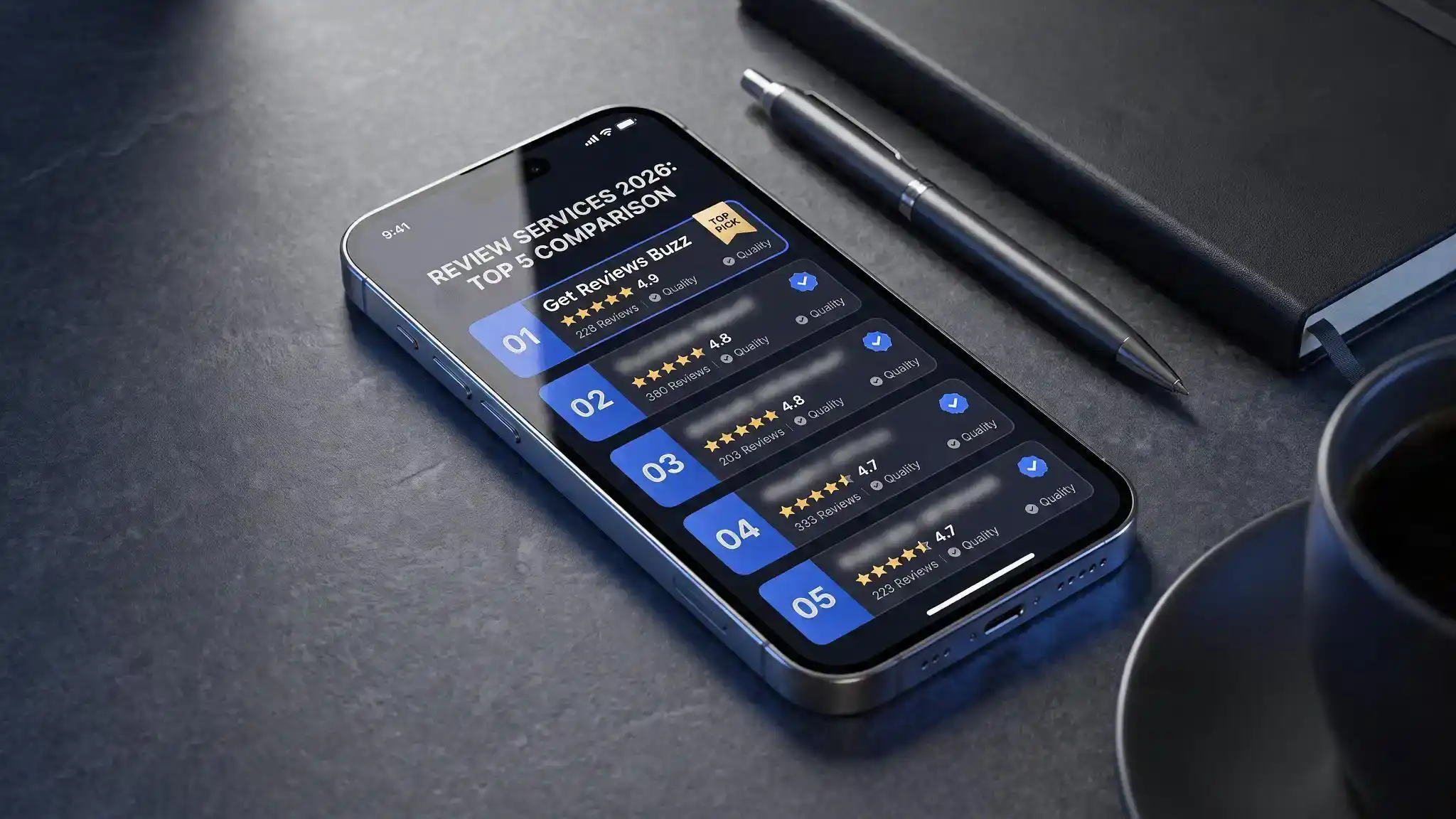
Trustpilot is now one of the platforms people trust most. Shoppers look for that green star logo before they hand over their credit card details to a site they've never used before. If your profile is empty, or just has a few mixed reviews from three years ago, people notice, and a lot of them will just go buy from a competitor instead. Working with a review-growth service like Get Reviews Buzz can help a brand get that early momentum going and keep its rating up over time.
This article covers the practical steps for collecting real reviews, earning buyer trust, and handling the process without it becoming a headache.
A Quick Stat Worth Knowing: studies suggest that close to 9 out of 10 online shoppers check review scores before buying from a brand they don't know. And businesses that send automatic review requests after a purchase tend to get far more reviews than businesses that just wait for people to leave one on their own.
Why Trustpilot matters more now
Search engines now put more weight on real customer feedback than on polished marketing copy. They’re better at spotting content written just to sell something, but they still trust ratings from established independent review sites.
When people check out a new brand, they don’t put much stock in the testimonials on the company’s own website. Those are hand-picked. So they look for a site the company doesn’t control. Trustpilot works because it verifies orders, shows a real business profile, and already has a reputation people trust. That matters for online stores, software companies, and service businesses alike.
Having a steady flow of recent, positive entries improves your seller ratings in Google Ads and helps your star rating appear directly in organic search results. If your Trustpilot account currently lacks recent entries or suffers from early bad experiences, learning how to fix low Trustpilot ratings should be your immediate operational priority before running heavy advertising campaigns.
When to ask for a review
The biggest mistake companies make is bad timing. Ask two minutes after checkout and the customer hasn't even opened the box yet. Wait forty days and they've already forgotten the details.
Here's a rough guide by type of purchase:
Digital products and software: Ask 24 to 48 hours after the customer sets up their account, right after they've gotten through onboarding.
Physical products: Use your shipping data to know when a package arrives, then ask 2 to 4 days later, once they've actually had a chance to use it.
Services: Ask right after you finish the job or wrap up a final call.
Get the timing right, and your response rate goes up a lot. People are far more likely to write something nice while the good experience is still fresh.
Writing emails and texts people will actually respond to
Your subject line decides whether the email gets opened at all. Skip anything that sounds like "Customer Satisfaction Survey" nobody wants to open that. Try something that sounds like it's from a person: "How did the shoes fit, Sarah?" or "Quick question about your delivery."
Keep the message short. A long email asking for a favor turns people off. Two sentences is enough to explain that their feedback helps your team and helps other shoppers decide. Then give them one clear button that takes them straight to your Trustpilot page.
Don't overlook text messages either. People open texts far more than emails, as long as you actually have permission to message them. A short text two days after delivery, asking for a quick star rating, can bring in a surprising number of reviews.
Trustpilot or Google Reviews?
A lot of marketing teams aren't sure where to send their review requests. Should everyone go to Trustpilot, or should you push people toward Google instead? It really depends on your business.
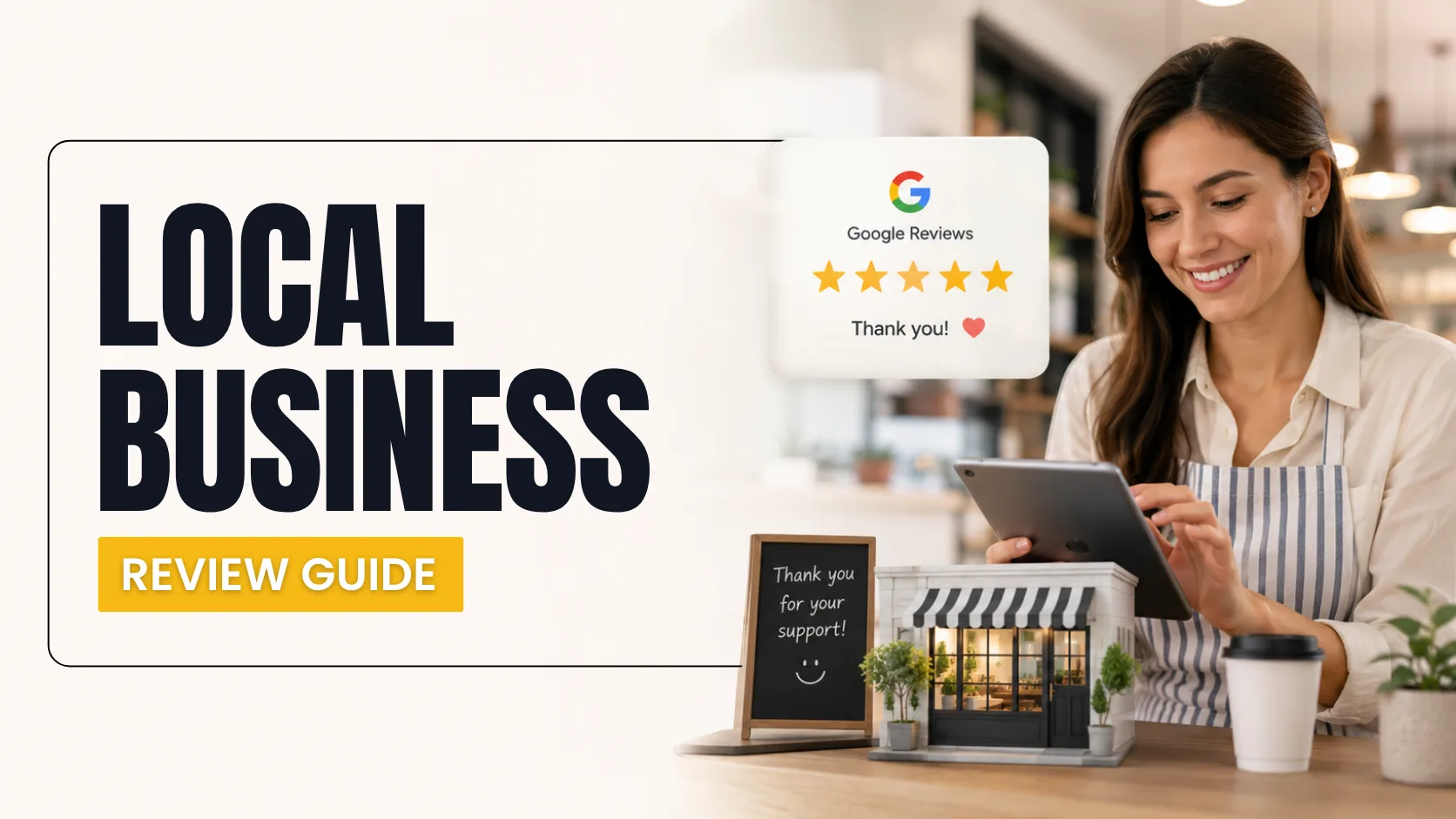
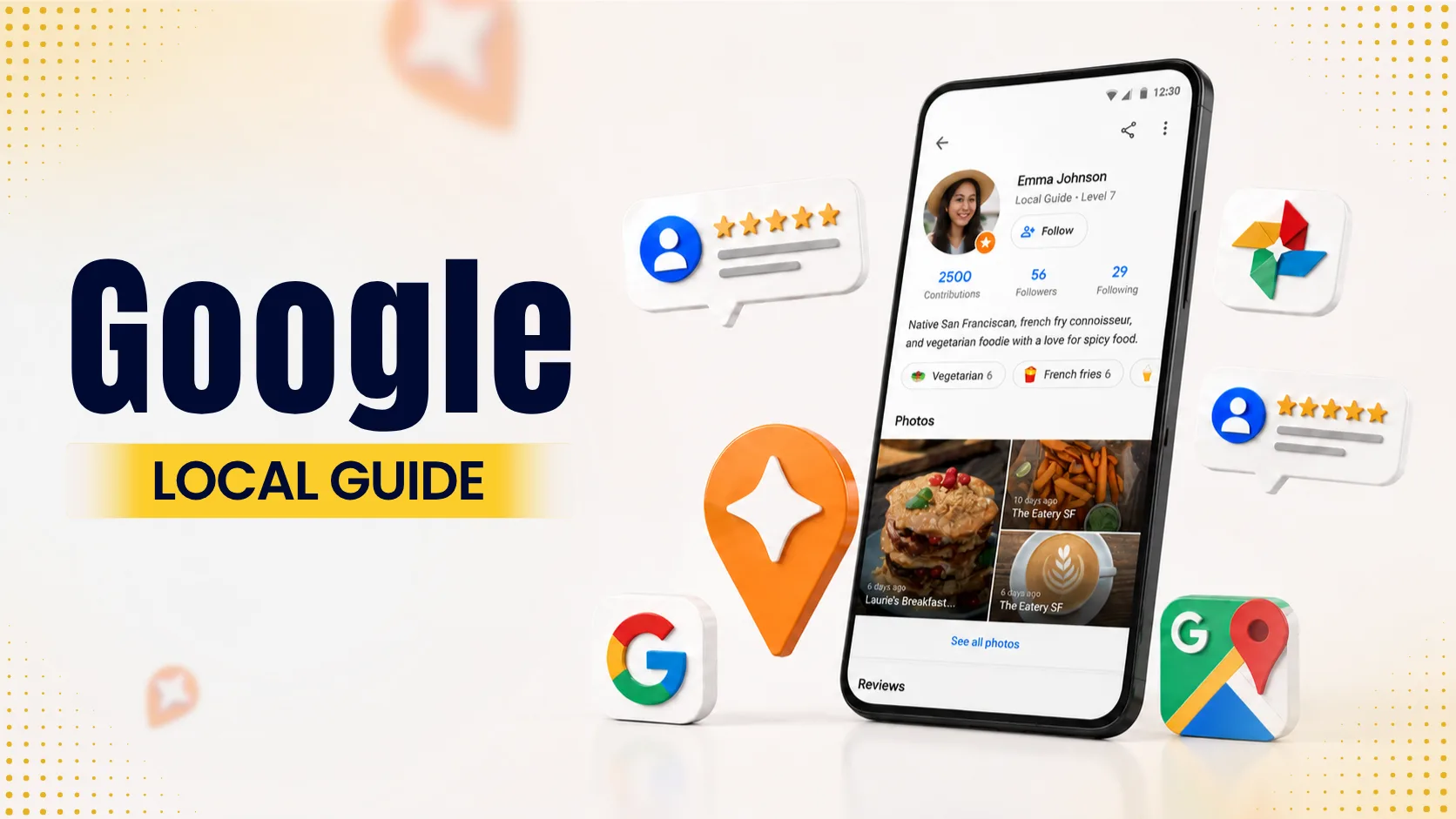
If you run a local business, a dental office, a repair shop, a plumbing company, Google reviews matter more, because that's what shows up on maps. But if you sell online, especially to customers in other countries, Trustpilot tends to carry more weight, since it plugs into seller ratings. Many companies just split it: local customers get sent to Google, online shoppers get sent to Trustpilot. If you also want to build up your Google presence, it's worth looking into that separately.
Getting a new profile off the ground
If you're launching a new product or brand, waiting months for reviews to trickle in on their own can really slow down your early sales. New websites without any social proof tend to convert worse than established ones.
Some marketing teams choose to buy online reviews as a way to build early trust while their email and text campaigns start catching up. If you go this route, make sure it lines up with how your product actually performs, reviews that don't match reality tend to backfire.
If you buy Trustpilot reviews, treat them as a short-term boost rather than a long-term plan. Improve the product and service at the same time, and keep growing your organic reviews in the background.
Dealing with bad reviews
Every growing business gets a bad review eventually, a lost package, a manufacturing defect, a miscommunication. How you respond publicly to a 1-star review often matters just as much as your overall rating.
When one shows up:
Reply fast. Respond within a day. Acknowledge what happened without getting defensive.
Move it offline. Give them a direct email or phone number so a manager can sort it out privately.
Actually fix it. Send a replacement, issue a refund, or just apologize sincerely, depending on what went wrong.
Ask them to update it. Once they're happy with how it was resolved, ask if they'd be willing to update their review. A lot of people will bump up their rating after good support.
People read negative reviews on purpose, just to see how a company handles a mistake. Answering well can turn a bad situation into proof that you're worth trusting.
Keeping the reviews coming
Review volume is less important than how often new ones keep coming in. Fifty five-star reviews from 2023 and radio silence since then makes the page look dead to customers and to search engines, which care more about recent activity than old totals.
Just automate it. Hook your store (Shopify, WooCommerce, whatever you run) up to Trustpilot’s automatic feedback service so it fires off an invitation the moment an order is marked complete. After that, poke at it every so often—try new subject lines, shift the send times, and check whether the emails are actually landing in inboxes or getting dumped in the promotions tab.
Final thoughts
Want more Trustpilot reviews in 2026? Ask at the right moment and keep the message short and natural. Don't ignore complaints, sort them out properly, since that matters just as much as the ask itself. Automate what you can. Do those things and the rest tends to follow.
FAQs
1. What actually works for getting more Trustpilot reviews in 2026?
Ask people at the right time, a few days after delivery or right after you’ve fixed a problem for them. Make the link dead simple to click. Set up automated emails or texts so you’re not relying on memory. Keep asking consistently. Trustpilot puts more weight on recent reviews, so a steady trickle of new ones matters more than a big batch from last year.
2. Can I offer discounts or free stuff for reviews?
No. Trustpilot doesn’t allow incentives tied to leaving a review, especially if it pushes for positive ones. It can get the reviews pulled or land a warning on your profile. Just ask for honest feedback and keep the request neutral.
3. Does timing really affect my TrustScore that much?
Yes. Reviews from the last 12 months count fully. Older ones lose weight over time. If you stop collecting for a while, the score can quietly drop even if nothing else changes. Automate the invites so fresh reviews keep coming in every month.
4. Do I need to reply to every review, even the bad ones?
Yes. Answering both good and bad reviews shows you’re paying attention. For negative ones, keep it calm and offer a way to sort things out. People notice when companies actually respond.
5. What tools help with collecting more reviews these days?
Trustpilot has an Invitation Optimizer that lets you test different send times and message styles, plus an in-app collector so people can leave reviews without leaving your site. Pair those with clear post-purchase emails and links in a few channels, and you’ll see better results.